High in the rugged mountains where Afghanistan meets Pakistan, there is no clear peace—only tension, suspicion, and the constant possibility of war. At the centre of it all lies the 2,640-kilometre-long Durand Line, a border drawn more than a century ago that continues to ignite deadly conflict even today.
This is not just a line on a map. It is a wound left behind by empire—one that neither time nor diplomacy has managed to heal.
A Border Born from Empire, the Durand Line
The story of the Durand Line begins in 1893, when British India and Afghanistan agreed to draw a boundary to define their spheres of influence. For the British, it was a strategic move. For Afghanistan, it was a forced compromise under pressure.
When Pakistan was created in 1947, it inherited this line and declared it its official international border. Afghanistan, however, never fully accepted it.
Why? Because the line didn’t just divide land—it divided people.
Entire Pashtun tribes found themselves split between two countries overnight. Families were separated. Communities were fractured. For many Afghans, the Durand Line has never been a legitimate border, but rather a colonial scar imposed without their true consent.
That disagreement still burns today.
The Latest Flashpoint at the Durand Line: Taliban Offensive and Captured Posts
That simmering tension recently exploded into open confrontation when Afghan Taliban forces launched a major offensive along the border. In a series of coordinated attacks, Afghan forces reportedly captured multiple Pakistani military posts across key regions.
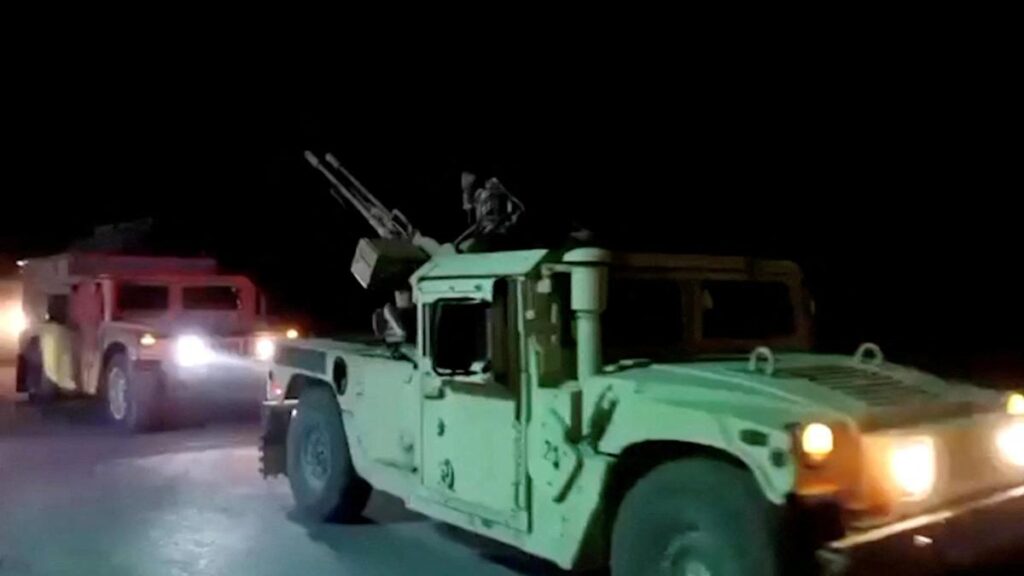
Among the captured positions were:
- Two Pakistani army posts in the Mashin Naw area of Dora Baba, Nangarhar province
- Three posts in the Anargi area of the Goshta district
- Two posts in the Doklam area of Nari district in Kunar province
Further claims from Afghan officials suggested that several additional Pakistani posts and checkpoints were seized in Nangarhar and Kunar provinces. Afghan authorities also reported that dozens of Pakistani soldiers were killed during the operations.
These were not isolated skirmishes. They were calculated military actions that signalled a dangerous escalation.
Pakistan Strikes Back: Operation Ghazab Lil Haq
Pakistan responded swiftly and forcefully.
Following heavy losses among its troops, Pakistan launched a retaliatory campaign known as Operation Ghazab Lil Haq. Airstrikes, artillery fire, and cross-border military action targeted Afghan positions believed to be behind the attacks.
The message was clear: Pakistan would not tolerate what it views as violations of its territorial sovereignty.
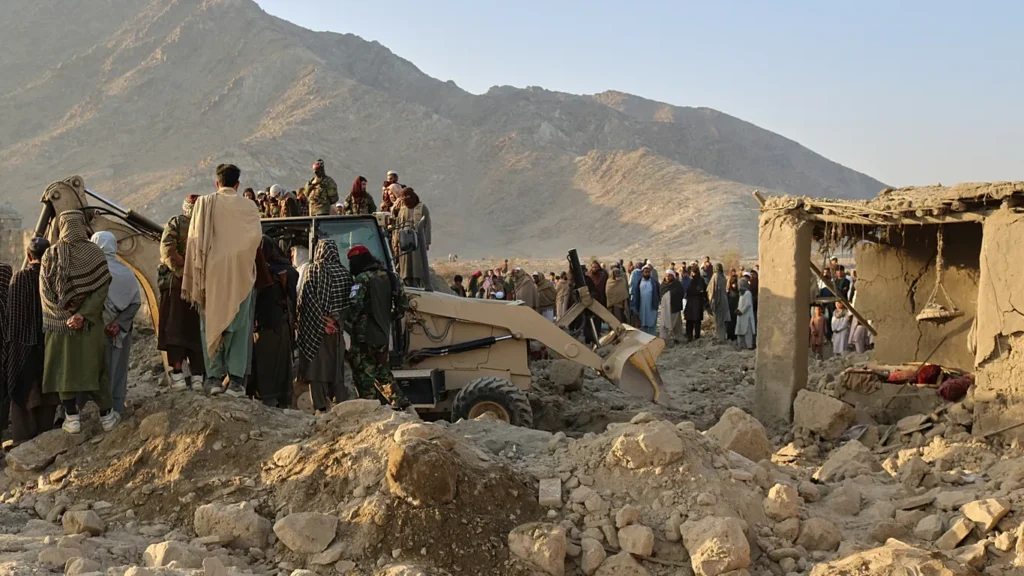
But Afghanistan sees things differently.
From Kabul’s perspective, many of these Pakistani posts exist on disputed land. To Afghan authorities, Pakistan is enforcing a border that Afghanistan never agreed to accept.
This difference in perception turns every military post, every fence, and every patrol into a potential trigger for war.
The Fence That Became a Battlefield
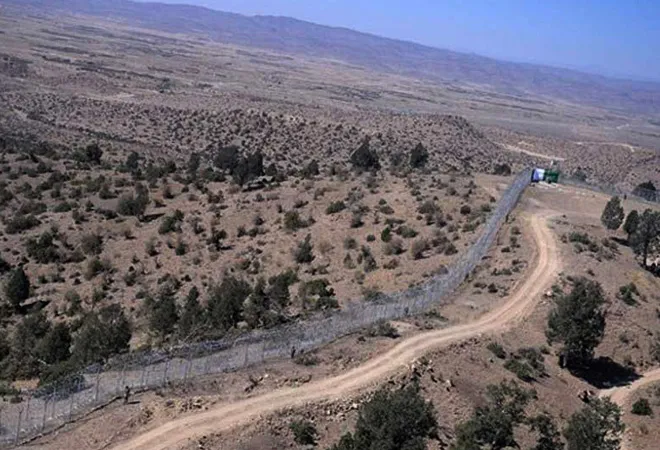
In recent years, Pakistan has tried to physically secure the Durand Line by building a massive border fence stretching across mountains, valleys, and deserts.
For Pakistan, the fence is about security—stopping militants, controlling crossings, and protecting its territory.
For Afghanistan, it is something else entirely.
To Afghan Taliban forces, the fence represents an attempt to permanently enforce a disputed border. In several instances, Afghan fighters have torn down sections of the fence or confronted Pakistani soldiers building it.
What begins as construction often ends in gunfire.
Geography That Makes Peace Difficult
The Durand Line runs through some of the harshest terrain on Earth. Snow-covered peaks, narrow valleys, and isolated tribal regions make control difficult and misunderstandings common.
This geography has historically allowed fighters and militant groups to move freely between the two sides. Both countries accuse each other of allowing hostile forces to operate from their territory.
Trust is scarce. Suspicion is constant.
And in such an environment, even small incidents can quickly spiral into deadly confrontation.
Durand Line Is More Than a Border — A Symbol of Unresolved History
The Durand Line is not just a geopolitical boundary. It represents unfinished history.
To Pakistan, it is a legitimate international border inherited at independence.
To Afghanistan, it remains a disputed line drawn by foreign rulers who no longer exist.
This fundamental disagreement means that every military post, every patrol, and every fence carries a deeper meaning. It is not just about territory—it is about identity, sovereignty, and national pride.
A Conflict Without an Easy End
The recent Taliban offensive, the capture of Pakistani military posts, and Pakistan’s retaliatory strikes show how fragile the situation remains. What might appear as small border clashes are, in reality, symptoms of a much larger and unresolved dispute.
More than 130 years after it was drawn, the Durand Line continues to shape the fate of millions and threaten the stability of the region.
Until both nations find a way to resolve this historic disagreement, this 2,640-kilometre line will remain one of the most dangerous borders in the world—not just separating two countries, but keeping them locked in a cycle of tension, confrontation, and fragile peace.